
Introduction
Learning your first programming language isn’t just a study decision – it’s the moment your IT career actually starts. In 2026, the tech world is changing faster than ever. AI tools, automation, full-stack development, cloud platforms, and modern web apps are reshaping how companies hire and which skills they value the most. That’s exactly why so many students and freshers are asking one core question before they take the first step: Which coding language is easiest to learn in 2026 and still powerful enough to build a real career?
Choose the right language, and you can save months of confusion, understand concepts faster, build real projects with confidence, and become job-ready in less time. Choose the wrong one for your goals, and you may feel stuck, overwhelmed, or lose interest halfway. Python, Java, and JavaScript remain the top 3 beginner-friendly and career-safe choices worldwide — each one trusted by thousands of companies, backed by huge communities, and linked to high-demand roles across AI, web, mobile, data, and enterprise development.
In this guide, we’ll go far beyond basic theory and help you truly decide which coding language is easiest to learn in 2026 for you. We’ll compare Python, Java, and JavaScript on learning difficulty, job opportunities, salary potential, real-world use cases, future scope, and career paths. By the end, you’ll have a clear, confident roadmap to start your programming journey in the smartest way possible.
TL;DR — Quick Summary
Before we jump into detailed comparisons of syntax, jobs, salaries, and learning curves, here’s a fast and beginner-friendly snapshot to help you immediately understand how Python, Java, and JavaScript differ in 2026.
If you are in a hurry and simply want to know “Which coding language is easiest to learn in 2026?”, this summary gives you the answer in seconds.
Let’s break it down in the simplest—and most practical—way possible.
Python — Easiest to Learn, Fastest to Get Started
If your main goal is to learn programming quickly, build confidence fast, and understand coding concepts without getting overwhelmed, then Python is the clear winner.
Why?
Extremely simple, English-like syntax

Requires fewer lines of code
Easy to understand for complete beginners
Huge beginner-focused community support
Widely used in trending fields like AI, data analytics & automation
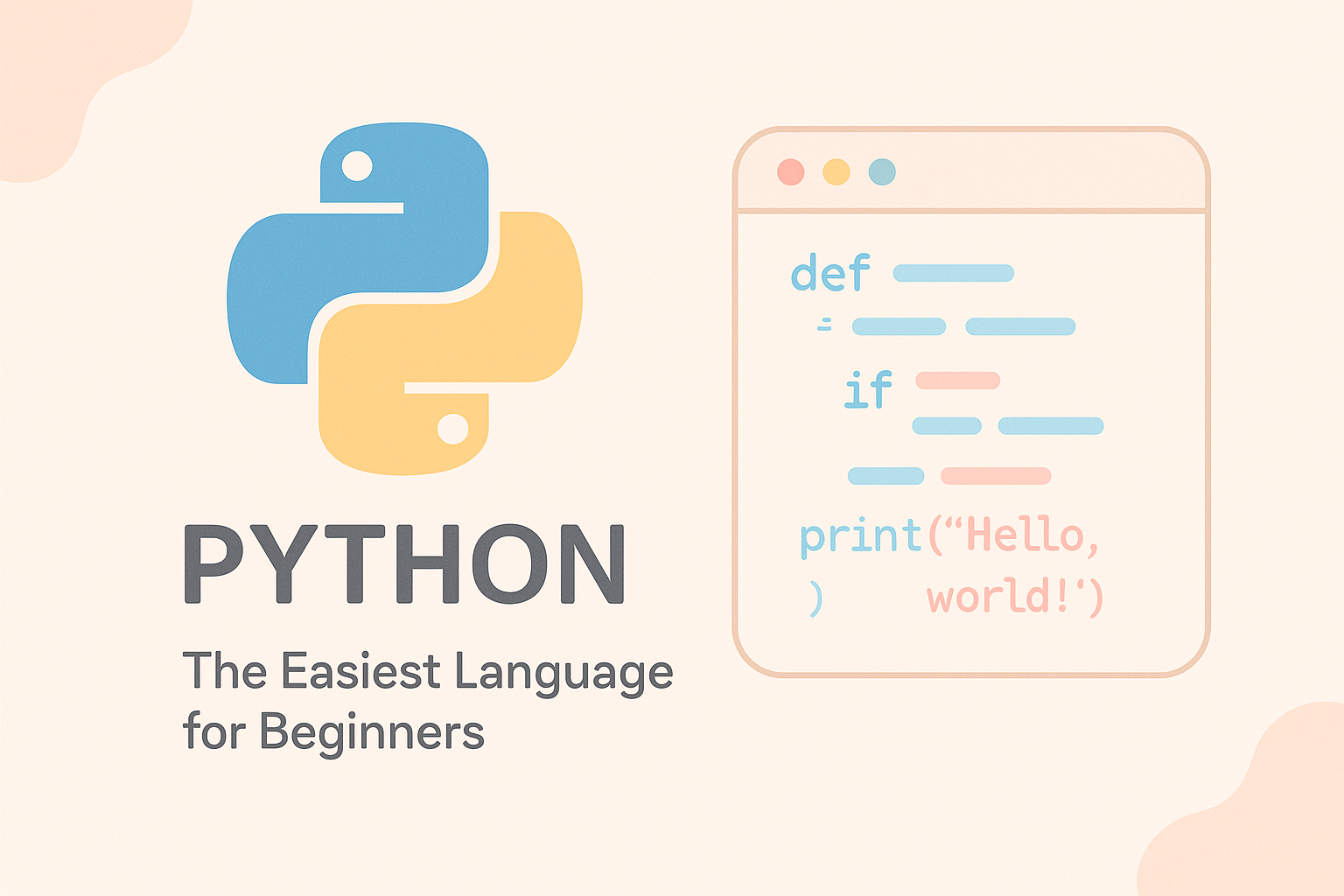
Python is the most beginner-friendly because it lets you focus on logic rather than complicated rules. Even people from commerce, arts, diploma, or non-technical backgrounds learn Python faster than Java or JavaScript.
Best choice for: Beginners, non-coders, students, job-seekers who want the easiest path.
Java — Best for Enterprise, Banking & Long-Term Growth
Java is more complex but extremely powerful. If you want a stable, long-term software engineering career — especially in MNCs, banks, fintech companies, enterprise projects, and Android development — Java has huge demand.
Why choose Java?
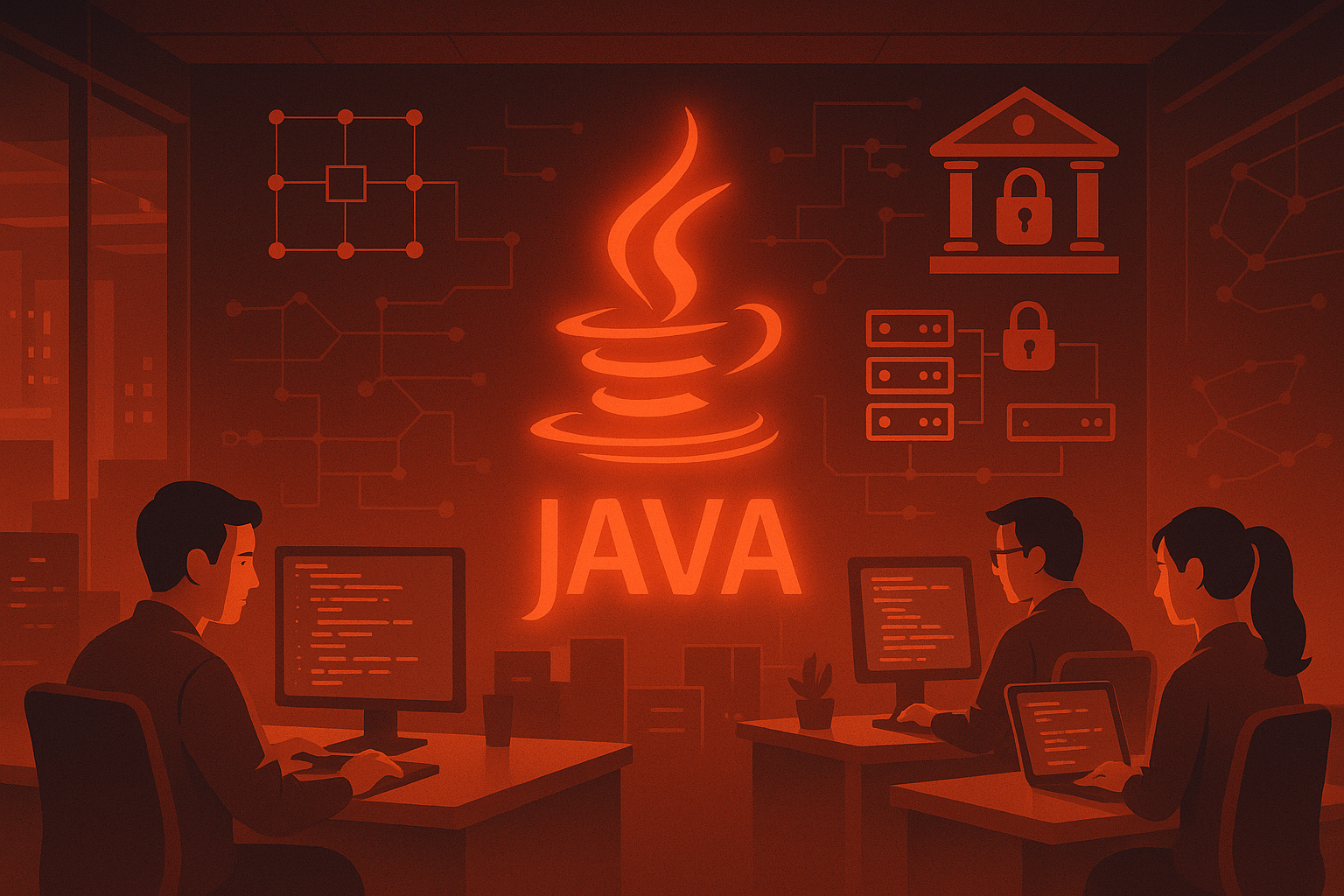
Used in large-scale applications
Strong in security and performance
High-paying jobs in enterprise companies
Ideal for backend, cloud, and mobile apps
Excellent career stability
However, Java is not the easiest to start with because its syntax is more structured and verbose. Beginners may take time to adjust.
Best choice for: Students who want strong technical depth, long-term growth, and enterprise-level jobs.
JavaScript — Mandatory for Web & Full Stack Development
If your dream is to build websites, apps, or become a full-stack developer, JavaScript is non-negotiable.
Why?
It powers 98% of the world’s websites
Used in frontend + backend (Node.js)
Essential for React, Angular, Vue
Important for UI/UX and interactive applications
One of the most in-demand skills in 2026
JavaScript is relatively easy at the beginning but becomes challenging with advanced concepts like asynchronous programming, promises, and frameworks.
Best choice for: Web developers, UI developers, full-stack developers, startups.
Which Should You Learn First in 2026?
Choosing the right programming language in 2026 depends entirely on where you want your career to go. To truly decide which coding language is easiest to learn in 2026 for your situation, you must connect your learning choice to your long-term goals, interests, and the type of work you want to do.
Here’s a simple roadmap that shows the best beginner-friendly option based on your target career path:
| Your Goal | Best Language |
|---|---|
| Easiest to start | Python |
| Build websites | JavaScript |
| Android development | Java |
| Enterprise MNC jobs | Java |
| AI, ML, Data Science | Python |
| Full-stack development | JavaScript |
| Automation & scripting | Python |
| Cloud & backend systems | Java / Python |
Once you understand your long-term direction, it becomes much easier to answer which coding language is easiest to learn in 2026 for you personally. Every language is powerful in its own domain—but the right choice depends on the kind of projects you want to build and the industry you want to enter.
Instead of asking only which coding language is easiest to learn in 2026, also ask:
Which technology excites me the most?
Which kind of jobs do I want?
Which industry do I see myself working in?
This approach ensures you’re not just following trends but making a smart, informed decision about which coding language is easiest to learn in 2026 and most valuable for your long-term future.
Overview of Each Language
Before choosing your first programming language, it’s important to clearly understand what Python, Java, and JavaScript actually are, where they are used, and why companies rely on them. Even though beginners often start by asking Which coding language is easiest to learn in 2026, each language serves a different purpose and shapes a different career path. This section gives you a solid foundation—perfect even for absolute beginners.
What Is Python? (Beginner-Friendly & Most Versatile)
Python is a high-level, interpreted programming language created with one mission:
make coding simple, readable, and beginner-friendly.
It is known for its clean, English-like syntax:
This single line can run instantly — no complex setup, no strict rules.
This simplicity is one of the biggest reasons people searching Which coding language is easiest to learn in 2026 often end up choosing Python.
Why Python Became So Popular
Python grew massively because it is:
Easy to learn for total beginners
Very close to plain English
Supported by thousands of libraries and frameworks
Used across almost every major tech industry
Dominant in AI and Data Science
Because of this wide usage, beginners who wonder Which coding language is easiest to learn in 2026 also benefit from Python’s massive job scope across multiple industries.
It’s used by companies like: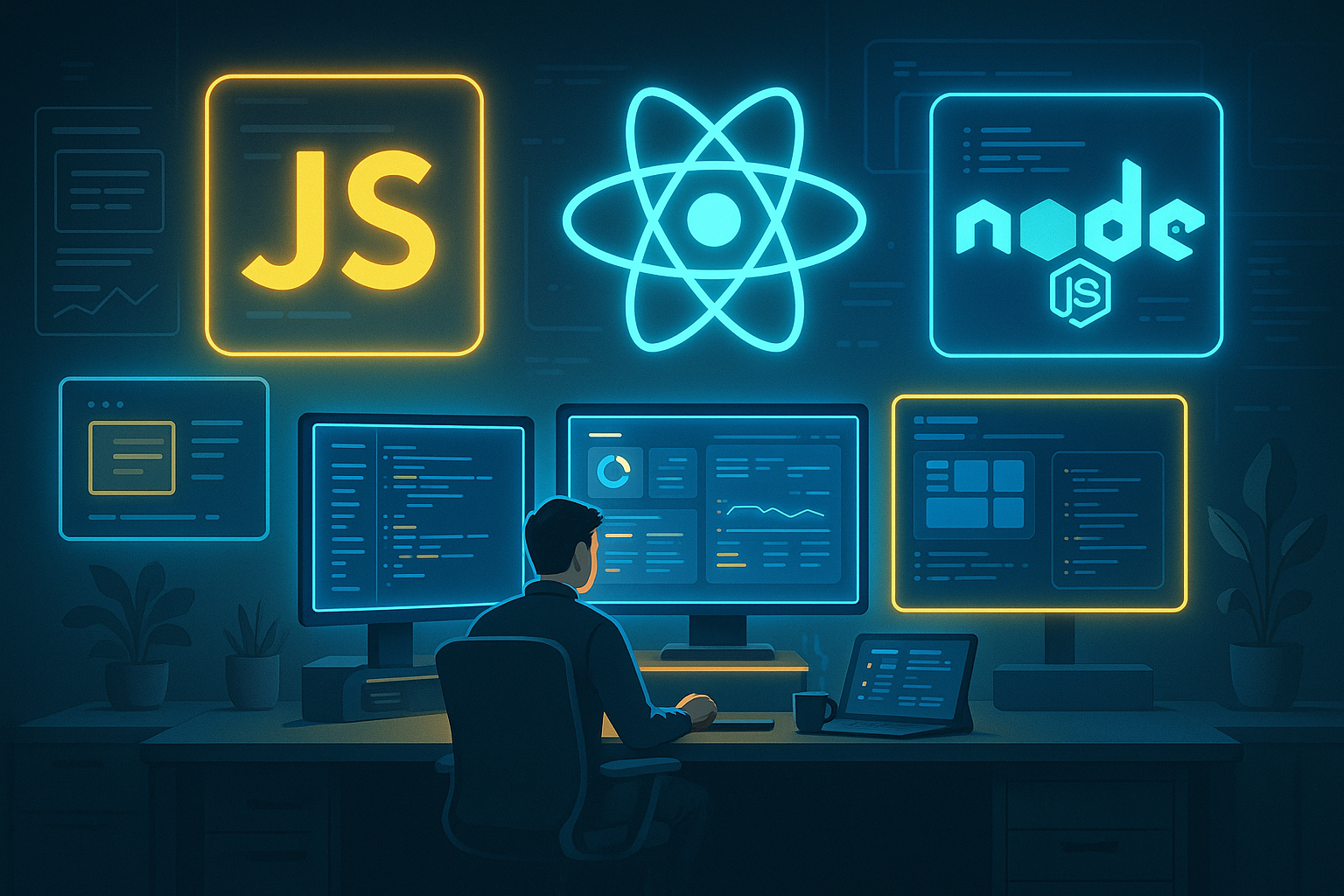
Google
Netflix
Meta
Spotify
IBM
NASA
Where Python Is Used in 2026
Python is used in almost every modern tech field:
Artificial Intelligence (AI)
Machine Learning (ML)
Data Analytics & Visualization
Web Development (Django, Flask)
Automation & Scripting
Cybersecurity Tools
Cloud Computing
Because of this versatility, Python is often recommended as the first language for freshers who want to enter IT quickly.
What Is Java?
Java is a class-based, object-oriented programming language designed to build secure, large-scale, and high-performance applications. It is one of the most mature and widely adopted languages in the world. If your dream is to join big enterprises but you still ask yourself Which coding language is easiest to learn in 2026, you must balance Java’s learning curve with the career stability it offers.
Java follows a strong programming structure, making it slightly harder for beginners but extremely useful for long-term career growth.
Example Code (More Structured)
This strict syntax teaches discipline, which becomes beneficial when working in large companies.
Why Java Is Still Relevant in 2026
Even after 25+ years, Java continues to dominate:
Banking and finance systems
Enterprise-level software
Android app development
Cloud applications (Spring Boot, Microservices)
Big Data technologies like Hadoop
Java is trusted for high-security applications, which is why companies like:
Amazon
Infosys
TCS
JP Morgan
Accenture
Wipro
use Java extensively for backend and enterprise development.
Where Java Is Used in 2026
Banking systems (Core banking software)
Fintech applications
Android mobile apps
Enterprise backend development
Cloud-native architecture
Microservices
So while Java is not the simplest option for anyone asking Which coding language is easiest to learn in 2026, it remains one of the most valuable for long-lasting enterprise careers.
What Is JavaScript? (The Language of the Web)
JavaScript is the most essential language for web development. It runs inside your web browser, making websites interactive, dynamic, and user-friendly.
If you click a button on a website…
If a menu slides open…
If a form validates instantly…
➡ That is JavaScript working behind the scenes.
Example Code (Very Beginner-Friendly)
JavaScript is easy to begin with, but its deeper concepts make it powerful for creating full applications.
From menus sliding open to pages updating instantly, JavaScript controls the user experience.
This is why, for aspiring web developers searching Which coding language is easiest to learn in 2026 for frontend work, JavaScript becomes a core skill they simply cannot skip.
Why JavaScript Is Unavoidable in 2026
JavaScript powers:
Frontend development
Backend development (Node.js)
Mobile apps (React Native)
Web apps (React, Angular, Vue)
Startup MVP development
Interactive UI/UX
Even if you learn Python or Java, you will still eventually need JavaScript if you plan to build any web-based application.
Companies Using JavaScript
LinkedIn
PayPal
Uber
Flipkart
Twitter
Google
Where JavaScript Is Used in 2026
Websites & web applications
Single-page applications (SPA)
Server-side scripting
Mobile app development
UI development
Browser automation
Because of its flexibility and massive ecosystem, JavaScript remains one of the most in-demand skills for developers worldwide. For students who want to enter the web industry specifically, the question Which coding language is easiest to learn in 2026 is closely tied to how quickly they can pick up JavaScript and its constantly evolving ecosystem of frameworks like React, Angular, Vue, and Next.js.
| Feature | Python | Java | JavaScript |
|---|---|---|---|
| Best For | Beginners, AI, Data | Enterprise, Banking, Android | Web, UI, Full Stack |
| Difficulty Level | Easiest | Harder | Medium |
| Demand in 2026 | Extremely High | High | Extremely High |
| Job Roles | Data/AI/Backend | Enterprise Developer | Web/Full Stack Developer |
Python is considered the best option for anyone asking Which coding language is easiest to learn in 2026, but the best choice always depends on your career goal.
Learning Difficulty Comparison
Learning your first programming language is like learning to ride a bicycle — the easier it feels at the beginning, the faster you build confidence. That’s why this part is extremely important for beginners researching Which coding language is easiest to learn in 2026.
Let’s compare Python, Java, and JavaScript based on how simple they are to learn, how much time beginners need, and what makes each one harder or easier.
Python — Easiest for Absolute Beginners
Python is globally accepted as the #1 easiest programming language for new learners. Even people who have never written a line of code can understand Python within a few hours.
Why Python Is Easy
Here’s why Python feels natural:
1. Simple English-like Syntax
Python reads like plain English:
No brackets, no semicolons, no complex structures.
This helps beginners focus on problem-solving, not memorizing rules.
2. Minimal Setup Required
You can install Python and start coding immediately.
Beginners don’t get lost in configuration or technical setup.
3. Faster Learning Curve
Understanding variables, loops, functions, and logic becomes easier because Python hides the complicated parts.
Most beginners can learn the basics in:
2 to 3 weeks (very basic foundation)
2 to 3 months (intermediate level)
4 to 6 months (job-ready with projects)
4. Thousands of Beginner-Friendly Tutorials
Python has the largest beginner community, making learning even easier.
Platforms like:
W3Schools
FreeCodeCamp
Programiz
Kaggle
provide free, simple tutorials.
Beginner Verdict
Python = easiest language for beginners in 2026, especially for non-technical students.
Java — Moderate to Hard for Beginners
Java is a powerful language, but its complexity makes it slightly harder to start with.
Java needs more lines of code, more rules, and strict syntax.
Example:
For a simple task, Java requires structure and classes. This teaches discipline but can scare beginners at first.
Why Java Feels Harder
1. Verbose Syntax
Java requires more code for simple tasks. This slows down early learning.
2. Strong Concepts Required
You must understand:
OOP (Object-Oriented Programming)
Classes & Objects
Interfaces
Access Modifiers
Data Types
These concepts are extremely useful, but difficult for complete beginners.
3. Longer Learning Curve
Beginners usually need:
1 month → basics
3–4 months → intermediate
6–9 months → job-ready
It’s not impossible — just more structured.
Beginner Verdict
Java is best for students who want strong technical depth and are willing to invest more learning time.
JavaScript — Easy to Start, Moderate to Master
JavaScript sits between Python and Java in difficulty.
Why it feels easy initially
You can run JavaScript instantly in a browser — no installation needed.
Example:
Beginners enjoy how quick and visual web development feels.
But Here’s Why It Gets Hard Later
1. Asynchronous Programming
Concepts like:
Callbacks
Promises
Async/Await
confuse many beginners.
2. Too Many Frameworks
JavaScript has a huge ecosystem:
React
Node.js
Angular
Vue
Next.js
Each requires new learning, and beginners can feel overwhelmed.
3. Browser Differences
JavaScript behaves slightly differently in various browsers.
This requires debugging skills.
Learning Curve
3–4 weeks → basic syntax
2–3 months → DOM, functions, ES6
4–6 months → React or Node.js (job-ready level)
Final Difficulty Comparison Summary
| Difficulty Level | Python | Java | JavaScript |
|---|---|---|---|
| Beginner Friendly | ⭐⭐⭐⭐⭐ | ⭐⭐ | ⭐⭐⭐ |
| Syntax Simplicity | ⭐⭐⭐⭐⭐ | ⭐ | ⭐⭐⭐ |
| Time to Learn Basics | Fast | Slow | Medium |
| Advanced Concepts Difficulty | Medium | High | Medium–High |
| Overall Difficulty for 2026 Beginners | Lowest | Highest | Moderate |
Clear Winner for Beginners
If your primary question is:
“Which coding language is easiest to learn in 2026?”
Python is by far the easiest — it reduces frustration, increases confidence, and helps you start building projects faster.
Choosing a programming language in 2026 isn’t only about what’s trending right now — it’s about understanding which option will stay relevant, in-demand, and future-proof for the next decade. Thinking long-term is just as important as asking Which coding language is easiest to learn in 2026, because your career will grow alongside the technology you learn today.
Below is a clear, career-focused breakdown of how Python, Java, and JavaScript will evolve between 2026 and 2030.
Future Scope of Python (2026–2030)
Python has the strongest future growth curve of all three languages. Its dominance in artificial intelligence, automation, data science, cloud tools, and cybersecurity makes it one of the most future-proof skills on the planet.
Why Python Will Explode in the Next 5–10 Years
AI and machine learning adoption is growing at over 300%
Automation will replace more than 50% of manual IT tasks
Data science jobs will increase by over 240%
Cybersecurity scripting and AI-driven threat detection rely heavily on Python
Cloud platforms (AWS, Azure, GCP) continue expanding Python support
Python is used everywhere — from ChatGPT to Netflix’s recommendation engine to Tesla’s Autopilot systems. Its flexibility ensures that it will remain a top skill for at least the next decade.
Future-Safe Careers with Python
Machine Learning Engineer
Data Analyst / Data Scientist
AI Engineer
Cybersecurity Analyst
Automation Engineer
Backend Developer
When you combine Python’s simplicity with its massive future demand, it becomes a very strong candidate for anyone asking Which coding language is easiest to learn in 2026 and still stay relevant, employable, and in-demand all the way to 2030 and beyond.
AI & Machine Learning Will Explode
Python powers everything in the AI world:
ChatGPT
Google Gemini
Midjourney
Stable Diffusion
DeepMind
Automation systems
NLP models
Image recognition
By 2030, AI development will grow more than 300%, according to industry predictions.
Python is the core language for this growth.
Data Science & Big Data Will Expand
Every company — from startups to MNCs — will rely on data-driven decisions.
Python dominates this space through:
Pandas
NumPy
Scikit-Learn
PySpark
Matplotlib
By 2030, data jobs are expected to increase by 240% (LinkedIn Future of Jobs report).
Automation Will Replace Manual Work
Companies want to automate:
reports
operations
monitoring
testing
cybersecurity scans
Python is the easiest language for automation scripting.
By 2030, over 50% of manual IT tasks will be automated — and Python will be the tool used.
Cybersecurity Demand Will Increase
Python is used in:
penetration testing
writing exploits
scanning networks
automation scripts
data analysis
As cyber threats increase, Python becomes even more important.
Versatility Ensures Job Safety
Python is used in:
AI
Data
Backend
Automation
Cloud
Cybersecurity
Robotics
No other language offers this multi-industry reach.
Future Scope of Java (2026–2030)
Java continues to be the backbone of large-scale applications, banking systems, telecom operations, government portals, and high-security enterprise environments. It may not be the easiest language to start with, but it offers unmatched stability, longevity, and corporate trust.
Why Java Will Stay Strong
Banks and financial systems rely heavily on Java
Spring Boot and Microservices dominate enterprise backend development
Android ecosystem continues to support Java
Java is deeply integrated with cloud-native architectures
Fortune 500 companies depend on Java for mission-critical software
Businesses do not replace their core systems often — and most of them are written in Java. This means Java developers will continue to enjoy secure, long-lasting careers.
Future-Safe Careers with Java
Java Developer
Enterprise Backend Engineer
Cloud Java Developer
Big Data Engineer (Kafka, Hadoop, Spark)
Android Developer
If your target is long-term enterprise growth, you might slightly compromise on the answer to Which coding language is easiest to learn in 2026 and still choose Java for its exceptional career stability and high-value corporate roles.
Java is a mature, stable, and enterprise-grade language that is not going anywhere, even with the rise of AI.
Between 2026 and 2030, Java will continue dominating:
banking
fintech
enterprise backend
large-scale systems
Android ecosystems
cloud services
Let’s look deeper.
Banking & Finance Will Always Require Java
Banks don’t change technologies overnight.
Core banking systems — ATMs, UPI rails, credit card systems — are written in Java.
These applications require:
high security
scalability
reliability
Java excels in all three.
This ensures long-term job stability.
Enterprise Software Will Keep Growing
Companies like:
all rely heavily on Java.
Enterprise projects typically run for 10–20 years, which means Java developers will always be needed.
Spring Boot & Microservices Will Grow More
Modern cloud-based apps are shifting to:
Microservices architecture
Cloud deployments
Container-based applications
Spring Boot + Java is the most preferred stack for such systems.
Android Development Will Continue
Even with Kotlin, Java continues powering much of Android:
Legacy apps
Middleware
System components
And Kotlin is built on the Java Virtual Machine (JVM), so Java remains relevant.
Cloud Engineering Will Need Java
Java integrates deeply with:
AWS Lambda
GCP
Azure
Kubernetes
Docker
Java cloud developers have some of the highest salaries globally.
Future Scope of JavaScript (2026–2030)
JavaScript will continue dominating the digital world as the core language of web development, full-stack engineering, SaaS product development, mobile app frameworks, and UI/UX innovation.
Why JavaScript Will Keep Growing
98% of all websites use JavaScript
React, Next.js, Vue, and Angular continue expanding
Node.js powers modern backend development
React Native supports large-scale mobile apps
Startups prefer JavaScript because it is fast, flexible, and scalable
JavaScript evolves faster than any other programming language, with new tools and frameworks emerging every year. Its ecosystem remains unmatched in versatility and innovation.
Future-Safe Careers with JavaScript
Frontend Developer (React, Vue, Angular)
Full Stack Developer (MERN/MEAN)
Web App Developer
UI/UX Engineer
SaaS Product Developer
Mobile App Developer (React Native)
For web-first and product-focused careers, the decision of Which coding language is easiest to learn in 2026 often comes down to how quickly you can learn JavaScript and adopt its rich ecosystem of frameworks.
JavaScript is not “just a web language” anymore. It powers web, mobile, backend, and even cloud applications.
Between 2026 and 2030, JavaScript will dominate:
full-stack development
mobile app development
SaaS product development
frontend engineering
web apps
UI/UX innovation
Let’s explore how.
Web Development Will Keep Growing
Every business needs:
websites
dashboards
customer portals
admin panels
landing pages
platforms
JavaScript will be required for each one of these.
React, Next.js, Angular, and Vue continue to grow rapidly.
Full Stack Developers Are in High Demand
JavaScript is the only language that can run:
in the browser (Frontend)
on the server (Backend with Node.js)
This makes full-stack developers extremely valuable.
By 2030, full stack jobs are expected to grow by 230%.
Mobile Apps Will Use More JavaScript
React Native is becoming a standard framework.
Apps like:
Instagram
Facebook
Airbnb
Discord
all use JavaScript-based mobile frameworks.
SaaS Startups Prefer JavaScript
SaaS products like:
Canva
Notion
Shopify
Trello
use JavaScript extensively for their web-based platforms.
JavaScript Ecosystem Grows Every Month
New frameworks, new tools, new libraries — JavaScript is evolving faster than any other language.
This excitement and innovation keep the language future-safe.
Which Language Has the Best Future for Beginners?
If you want AI, data, or automation → Python
If you want enterprise MNC jobs → Java
If you want web or full-stack development → JavaScript
For beginners asking:
“Which coding language has the strongest future between 2026 and 2030?”
Python and JavaScript dominate, with Java right behind them for long-term corporate careers.
Which Language Should You Learn First?
Choosing your first programming language is not a one-size-fits-all decision. Every learner has different goals, strengths, and dreams—and that’s why the question Which coding language is easiest to learn in 2026 must be answered differently for each student, depending on where they want their career to go.
If You Are a COMPLETE Beginner → Choose Python
Python is the best starting point for students, freshers, and anyone from a non-technical background. Its simple syntax, easy readability, and massive beginner community make it ideal for first-time coders.
And if you ever feel nervous about learning to code, constantly wondering Which coding language is easiest to learn in 2026, Python is the language designed to remove that fear. It helps you build confidence quickly and start creating real projects without getting overwhelmed.
If You Want a HIGH-SALARY Tech Job Fast → Choose Python
Python opens doors to some of the highest-paying fields today—AI, machine learning, data science, automation, and backend development. These roles are in huge demand and offer strong salary growth right from the beginning.
Python is excellent for anyone who wants to build a career quickly.
So for salary-focused beginners, the clearest answer to Which coding language is easiest to learn in 2026—while still unlocking high-paying roles—is Python.
If You Want to Work in Startups → Choose JavaScript
Startups move fast, build fast, and hire fast—and most of them rely heavily on JavaScript for web apps, dashboards, SaaS products, and full-stack development.
For energetic, fast-paced learners, the question Which coding language is easiest to learn in 2026 often leads to JavaScript, because it lets you build websites, apps, and prototypes rapidly—exactly what startups need.
If You Are a COMPLETE Beginner → Choose Python
Python is the best starting point for:
students
freshers
non-technical background learners
people scared of coding
those who want a fast, easy start
Why Python is best for complete beginners:
Super easy to read and write
Fewer rules → less confusion
You start building small apps quickly
Best support for errors and doubts
High job demand in multiple fields
Best Careers After Python
Data Analyst
Machine Learning Engineer
Automation Engineer
Backend Developer
Cybersecurity Analyst
Python gives beginners the fastest path to earning, which is why it strongly answers the question:
Which coding language is easiest to learn in 2026?
The answer is still Python.
If You Want a HIGH-SALARY Tech Job Fast → Choose Python
Python jobs are in:
AI & ML
Data Science
Cybersecurity
Backend
Automation
These are premium roles with higher starting salaries.
Why Python helps you earn faster
Fewer months to learn
In-demand skills
Easy to crack interviews
Projects are simpler
Plenty of internships
Python is excellent for anyone who wants to build a career quickly.
If You Want Corporate / MNC Jobs (Infosys, TCS, Accenture) → Choose Java
Java is the king of enterprise software and the preferred language of:
banks
MNCs
fintech
big companies
telecom
government systems
Why Java Is Great for MNC Careers
Strong demand for backend engineers
Used in cloud + microservices
Highly secure, stable, scalable
Java developers get long-term career stability
Java is harder than Python, but it’s extremely valuable if you want:
A long career in software engineering
Stable jobs in corporate tech
Growth into senior developer roles
If You Want to Build Websites, Apps, or Become a Full Stack Developer → Choose JavaScript
JavaScript is essential if your dream job is:
Frontend Developer
React Developer
Full Stack Developer
UI Developer
Web App Developer
Why JavaScript Is Mandatory for Web Careers
Runs in every browser
Required for all modern websites
React/Next.js dominate frontend jobs
Node.js is growing in backend
If you want to build:
websites
dashboards
SaaS applications
e-commerce websites
landing pages
admin panels
JavaScript is the only correct choice.
If You Want to Build Mobile Apps → Choose JavaScript OR Java
For Android apps
➡ Java (or Kotlin)
For cross-platform apps (iOS + Android)
➡ JavaScript (React Native)
If you want faster development with one codebase, JavaScript wins.
If you want deeper performance and native development, Java is best.
If You Want to Work in Startups → Choose JavaScript
Startups prefer JavaScript because:
Fast development
Best for SaaS and web apps
Easy to deploy
Many full-stack roles available
JavaScript developers are highly valued in startup environments.
If You Want to Work in AI, Data Science, Automation, or Robotics → Choose Python
No competition here — Python is the industry standard for all emerging technologies.
AI-driven careers will dominate the next decade, and Python is the engine behind them.
If You Want a Language With Long-Term Future Safety → Choose Python or JavaScript
These two languages will remain relevant even in 2035+, because:
AI (Python)
Automation (Python)
Web (JavaScript)
Full Stack (JavaScript)
Data Science (Python)
Java also has long-term stability, especially in enterprise-level engineering.
If You Want to Learn Coding Without Feeling Overwhelmed → Python
Learning coding can feel intimidating.
Python removes 70% of that difficulty with:
clear syntax
natural language style
minimal rules
extensive beginner support
If your goal is to build confidence quickly, Python is best.
The BEST Language for YOU
| Your Goal | Recommended Language | Why |
|---|---|---|
| Easiest to learn | Python | Beginner-friendly |
| Learn coding from scratch | Python | Simple syntax |
| Become a full stack developer | JavaScript | Frontend + backend |
| Work in MNCs | Java | Enterprise demand |
| Highest salary quickly | Python | AI + Data jobs |
| Startups / SaaS | JavaScript | Fast development |
| Build websites | JavaScript | Browser-based language |
| Build Android apps | Java | Native Android support |
| Automation & scripting | Python | Shortest scripts |
| Cybersecurity | Python | Exploit writing |
| AI / Machine Learning | Python | Industry standard |
Which Language Should YOU Learn First?
Here is the final, simplified, no-confusion answer:
If you want the easiest start → Python
If you want web or full stack → JavaScript
If you want enterprise MNC jobs → Java
If you want AI or Data Science → Python
If you want mobile apps → Java or JavaScript
If your top question is:
“Which coding language is easiest to learn in 2026?”
Python remains the clear and undisputed winner.
Python helps you learn fast, build confidence, create real projects quickly, and enter the job market sooner than Java or JavaScript.
Frequently Asked Questions (FAQ)
Beginners have many doubts before choosing their first programming language. Here are the most common questions students ask — with clear, simple answers to help you choose confidently.
1: Which coding language is easiest to learn in 2026 for beginners in Kalyan Nagar?
For students in Kalyan Nagar, Python is the easiest coding language to learn in 2026 because it has simple syntax, requires minimal setup, and is taught widely across institutes in the area, including Cambridge Infotech.
2: Why is Python considered the answer to “Which coding language is easiest to learn in 2026” for learners in Kalyan Nagar?
Python is the top answer to which coding language is easiest to learn in 2026 for Kalyan Nagar students because it helps beginners start coding quickly, and local training institutes offer strong Python, AI, and Data Analytics courses.
3: Which coding language is easiest to learn in 2026 for getting a job fast in Kalyan Nagar or nearby IT hubs?
For fast placement in areas near Kalyan Nagar—like Manyata Tech Park and HRBR Layout—Python provides the quickest job path. This makes it the most practical answer to which coding language is easiest to learn in 2026 for job seekers.
4: Is Java a good choice for someone asking which coding language is easiest to learn in 2026 in Kalyan Nagar?
Java is more complex, so it’s not the top answer for which coding language is easiest to learn in 2026. However, Java is excellent for students in Kalyan Nagar aiming for MNC jobs in companies near Hebbal, Manyata Tech Park, and Outer Ring Road.
5: Does JavaScript answer the question of which coding language is easiest to learn in 2026 for web developers in Kalyan Nagar?
JavaScript isn’t the easiest, but it is essential for web and full-stack jobs in Kalyan Nagar’s growing tech ecosystem. So while it’s not the #1 answer to which coding language is easiest to learn in 2026, it’s mandatory for web careers.
Conclusion
Choosing your first programming language is one of the biggest decisions in your IT journey. It shapes:
how easily you learn programming
how fast you become job-ready
which career direction you grow into
the opportunities you get in the next 5–10 years
After comparing Python, Java, and JavaScript deeply — across difficulty, salaries, job opportunities, real-world use cases, community support, and future relevance — the results are clear:
Python is the best and easiest language to learn in 2026.
It has the simplest syntax, widest beginner support, strongest demand in AI and Data, and the fastest learning curve.
JavaScript is essential for Web & Full Stack Development.
If your goal is to build websites, apps, or SaaS products, JavaScript is non-negotiable.
Java is the most powerful for Enterprise & MNC Careers.
If you want corporate engineering roles in Infosys, TCS, Wipro, Accenture, banking, fintech, telecom — Java is the king.
No matter which language you choose, remember:
Consistency beats talent.
Projects matter more than theory.
Anyone can learn programming with the right guidance.
You don’t have to be a genius.
You don’t need a computer science background.
You don’t need prior coding experience.
All you need is the right language, the right roadmap, and the right mentor.
How Cambridge Infotech Helps You Learn These Skills
Cambridge Infotech is one of Bangalore’s most trusted training institutes for job-oriented IT courses. Thousands of students have launched their careers through our structured training programs.
Here’s how Cambridge Infotech helps you master Python, Java, or JavaScript from scratch — even if you are a complete beginner.
Job-Oriented Training Programs
We offer specialized courses tailored for 2026 industry demand:
Python Full Course (Beginner → Advanced)
Covers Python fundamentals, automation, data analysis, Django, Flask, and more.
Java Full Stack Developer Program
Covers Core Java, Advanced Java, Spring Boot, Microservices, and backend systems.
Full Stack Web Development (MERN Stack)
Learn HTML, CSS, JavaScript, React, Node.js, MongoDB.
Data Analytics Master Program
Learn Excel, SQL, Power BI, Python, Pandas, NumPy, real-world dashboards.
Cybersecurity & Ethical Hacking
Python scripting, Linux, Kali, network security, SOC tools.
Real-Time Projects & Hands-On Learning
Every student works on:
live projects
capstone projects
real industry datasets
web applications
automation tools
These projects help build strong portfolios for interviews.
100% Placement Support
Our placement team helps you with:
Resume building
LinkedIn profile optimization
Mock interviews
Technical interview prep
HR round practice
Job referrals
Weekly placement drives
Students get placed in top companies across Bangalore, Hyderabad, Chennai, and Pune.
Beginner-Friendly Teaching Approach
We teach from scratch — no prior knowledge required.
Our trainers are:
Industry professionals
Full-time developers
Data analysts
Cybersecurity experts
Java backend engineers
They guide you step-by-step, from basics to advanced.
Why Students Choose Cambridge Infotech
Affordable course fees
Practical, job-oriented training
Experienced mentors
Flexible batches (online/offline)
Real interview-style projects
Strong placement support
Student-friendly environment
Whether you want to become a Python Developer, Java Developer, Full Stack Developer, Data Analyst, or Cybersecurity Analyst — Cambridge Infotech gives you everything required for a successful career.