
Currently Empty: ₹0.00
Best Skills to Learn for an AI Career in 2026 – Master AI Tools & Get Placed with Cambridge Infotech
October 30, 2025
Intro:
Artificial Intelligence (AI) is no longer just a buzzword — it’s the backbone of every modern industry. From healthcare and finance to marketing and robotics, AI is transforming the way businesses operate and make decisions. If you’re planning to build a rewarding, future-proof career, mastering the Best skills to learn for an AI career is your gateway to success.
At Cambridge Infotech, we help learners bridge the gap between theory and real-world AI applications through hands-on training, expert mentorship, and 100% placement support. Whether you’re a beginner exploring AI for the first time or a professional looking to upskill, this course will equip you with the essential AI skills that employers are actively seeking in 2026 and beyond.
Why Choose a Career in Artificial Intelligence?
Artificial Intelligence is not just the future — it’s the present. From chatbots that simplify customer service to self-driving cars and intelligent healthcare systems, AI is reshaping every industry across the globe. Choosing a career in Artificial Intelligence means becoming part of a world that thrives on innovation, creativity, and cutting-edge technology.
The demand for AI professionals is growing at an exponential rate. According to recent reports, AI-related job roles have increased by over 40% in the last two years, with companies actively seeking skilled professionals who can build, train, and deploy AI models. Whether you’re aiming to become a Machine Learning Engineer, Data Scientist, or AI Researcher, the opportunities are endless — and so is the earning potential.
By pursuing a career in AI, you’re not only securing one of the most high-paying and future-proof professions, but also contributing to building smarter, safer, and more efficient systems that impact millions of lives.
At Cambridge Infotech, we prepare you to step confidently into this fast-growing field with practical training, live projects, and expert guidance that transforms your learning into real-world skills.
The Growing Demand for AI Professionals in 2026 & Beyond
Artificial Intelligence has become one of the most in-demand career fields of the decade — and its growth shows no signs of slowing down. According to recent industry reports, the global AI market is expected to surpass $900 billion by 2026, creating millions of new jobs in data science, automation, and machine learning. From startups to Fortune 500 companies, every organization now relies on AI to improve efficiency, drive innovation, and make data-driven decisions.
In India alone, the demand for AI professionals has increased by over 70% year-over-year, with top companies like Google, Amazon, Infosys, and TCS hiring experts in AI, Machine Learning, and Deep Learning. Roles such as AI Engineer, Data Scientist, and NLP Specialist are among the highest-paying positions in the tech industry today.
This growing trend clearly shows that learning AI skills is no longer optional — it’s essential for anyone who wants to future-proof their career. Whether you are a fresher or an experienced professional, now is the best time to start mastering the Best skills to learn for an AI career and position yourself for global opportunities in this rapidly evolving field.
Key Benefits of Learning AI
Artificial Intelligence (AI) is no longer a future trend — it’s the core driver of today’s digital transformation. Learning AI not only opens doors to high-paying career opportunities but also empowers you to create real-world innovations that shape how businesses and societies function.
Here are the key benefits of learning AI in 2026 and beyond:
1. High-Paying Career Opportunities
AI professionals are among the most in-demand and well-paid experts across industries. Roles such as AI Engineer, Machine Learning Specialist, and Data Scientist command impressive salaries due to the growing talent gap in the market.
2. Endless Career Paths Across Industries
From healthcare and finance to e-commerce, cybersecurity, and manufacturing — AI is everywhere. With the right skills, you can work in multiple domains or specialize in a niche like computer vision, NLP, or robotics.
3. Future-Proof Your Career
Automation and AI are transforming how we work. Learning AI ensures your skills remain relevant, adaptable, and future-ready in a rapidly changing job landscape.
4. Opportunity to Innovate & Build Impactful Solutions
AI allows you to create intelligent applications — from self-driving systems to personalized recommendation engines. You’ll contribute to innovations that improve business efficiency and people’s lives.
5. Global Job Opportunities
AI is a universal skill. Whether you aim to work in India, Canada, Europe, or the U.S., mastering AI opens global opportunities across tech giants and startups alike.
6. Boosts Analytical & Problem-Solving Skills
Learning AI develops critical thinking and data-driven decision-making abilities. You’ll gain a strong analytical mindset that employers highly value in every domain.
7. Contribute to the Future of Technology
By learning AI, you join the next wave of innovators shaping tomorrow’s world — from autonomous vehicles to intelligent healthcare systems.
8. Grow with AI-Driven Tools & Technologies
At Cambridge Infotech, you’ll work with cutting-edge tools like TensorFlow, Keras, OpenAI, and PyTorch, giving you hands-on experience that top companies look for.
9. Unlock Entrepreneurial Opportunities
AI knowledge empowers you to build your own products, automate business processes, or launch AI-based startups — turning your ideas into reality.
10. Strong Placement Support & Career Growth
With Cambridge Infotech’s 100% placement support, practical projects, and mentorship, students gain both technical mastery and career confidence to excel in the AI industry.
Best Skills to Learn for an AI Career
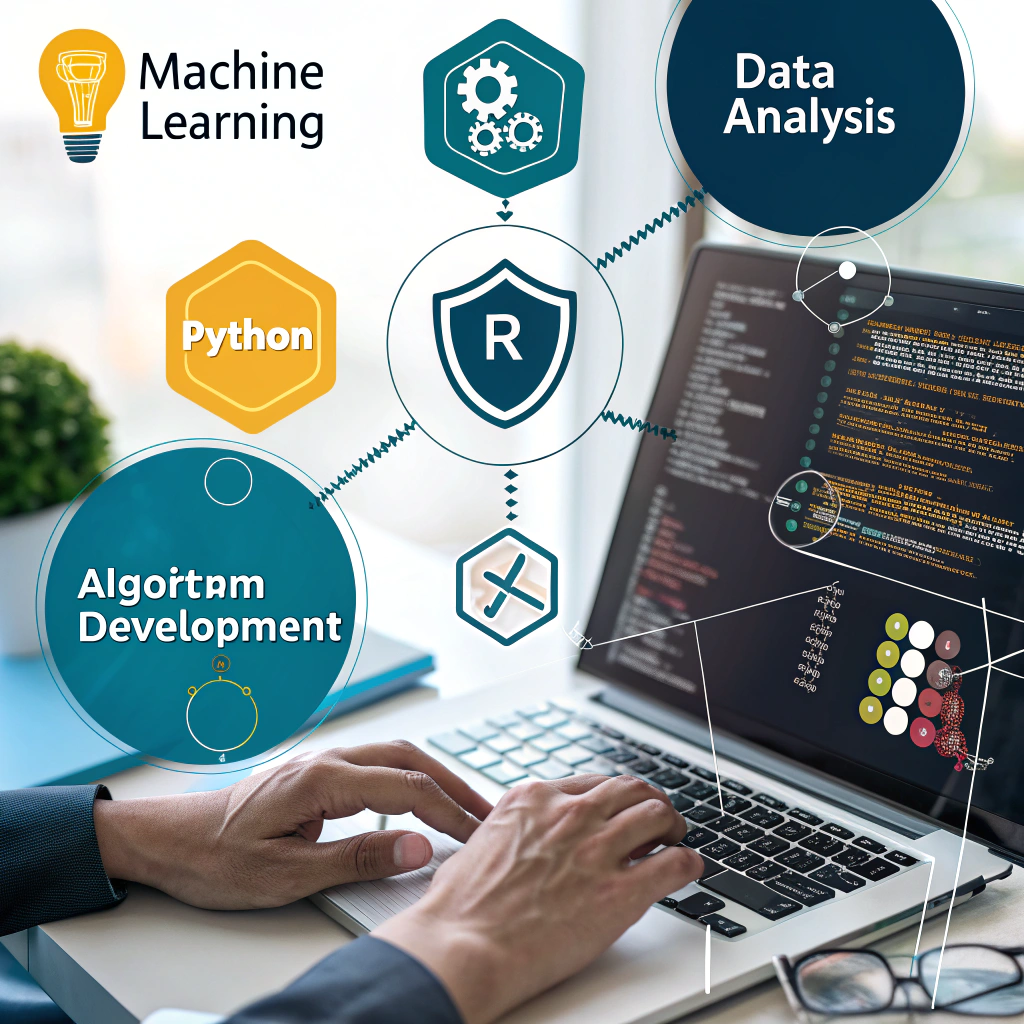
To build a successful career in Artificial Intelligence, mastering the right mix of technical, analytical, and problem-solving skills is essential. Whether you’re a beginner or a professional looking to upgrade, these are the top AI skills that will make you job-ready for 2026 and beyond.
1. Python Programming
Python is the backbone of AI and machine learning. Its simple syntax, vast library support (like TensorFlow, Keras, and NumPy), and community make it the most preferred programming language for AI developers. At Cambridge Infotech, students gain hands-on experience in Python to develop data-driven AI solutions from scratch.
2. Machine Learning (ML)
Machine Learning forms the foundation of AI systems. It helps computers learn from data and make predictions without being explicitly programmed. You’ll learn supervised, unsupervised, and reinforcement learning, enabling you to create intelligent models used in real-world applications such as recommendation systems and predictive analytics.
3. Deep Learning
Deep Learning is the brain behind modern AI innovations like self-driving cars, voice assistants, and image recognition. By mastering neural networks, convolutional and recurrent models, you’ll learn how machines mimic human brain functions to analyze and process complex data.
4. Data Science & Statistics
AI professionals must understand how to collect, clean, and interpret massive datasets. A strong foundation in data science, probability, and statistics helps you uncover hidden insights that power smarter AI models.
5. Natural Language Processing (NLP)
NLP enables machines to understand human language. From building AI chatbots to sentiment analysis tools, NLP is a must-have skill if you aim to work with voice assistants, translation apps, or text-based AI solutions.
6. Computer Vision
Computer Vision allows AI to interpret and analyze visual data from images and videos. You’ll learn how to apply OpenCV, TensorFlow, and Keras to create real-world applications like facial recognition systems and object detection models.
7. Neural Networks
Understanding how artificial neural networks (ANNs) process information is key to becoming an AI expert. Neural networks are used in almost every area of AI, from speech recognition to medical diagnosis.
8. Data Visualization
Data visualization helps transform complex data into meaningful charts, dashboards, and insights. Tools like Matplotlib, Power BI, and Tableau make it easier to communicate findings effectively — a skill every AI professional should master.
9. AI Ethics & Responsible AI
As AI continues to influence decisions in healthcare, finance, and governance, it’s important to learn about ethical AI practices. Understanding fairness, transparency, and bias detection ensures you build trustworthy and responsible AI systems.
10. Cloud Computing & AI Integration
Modern AI applications rely on cloud platforms like AWS, Azure, and Google Cloud AI. Learning how to deploy and scale AI models in the cloud makes you a valuable asset for organizations looking for AI-driven transformation.
Bonus Skills That Give You a Competitive Edge
In today’s fast-evolving AI industry, mastering just the basics isn’t enough. To truly stand out and build a rewarding AI career, you need to go beyond traditional skills. These bonus skills will help you stay ahead of the curve, boost your employability, and make you a preferred candidate for top AI roles.
1. Generative AI
Learn how to create text, images, and videos using advanced AI models like ChatGPT, DALL·E, and Midjourney. Generative AI is revolutionizing industries from marketing to product design, and understanding it gives you a creative edge in solving real-world problems.
2. Prompt Engineering
As AI models become more powerful, prompt engineering has become a must-have skill. It teaches you how to craft effective prompts that guide AI tools to produce accurate and useful results — an essential skill for developers and data professionals working with LLMs (Large Language Models).
3. MLOps (Machine Learning Operations)
Gain expertise in deploying, monitoring, and maintaining machine learning models in real-world environments. MLOps bridges the gap between data science and operations, helping you build scalable and reliable AI systems for businesses.
4. Cloud-Based AI Tools
Understanding how to use cloud AI services like AWS SageMaker, Google Cloud AI, and Azure AI is crucial for modern AI professionals. These platforms help automate workflows, manage data, and scale models efficiently.
5. Data Engineering
AI thrives on quality data. Learning data engineering concepts such as data pipelines, data warehousing, and ETL (Extract, Transform, Load) processes ensures you can handle and prepare large datasets effectively.
6. AI Ethics and Responsible AI
As AI becomes more influential in decision-making, companies prioritize professionals who understand AI ethics, bias detection, and responsible AI practices. This skill ensures your models are fair, transparent, and socially responsible.
7. Soft Skills for AI Professionals
Communication, problem-solving, and teamwork are essential in AI projects. Learning how to explain complex models in simple terms or collaborate with non-technical teams can make you a more effective and employable AI expert.
Top AI Tools & Technologies You’ll Master
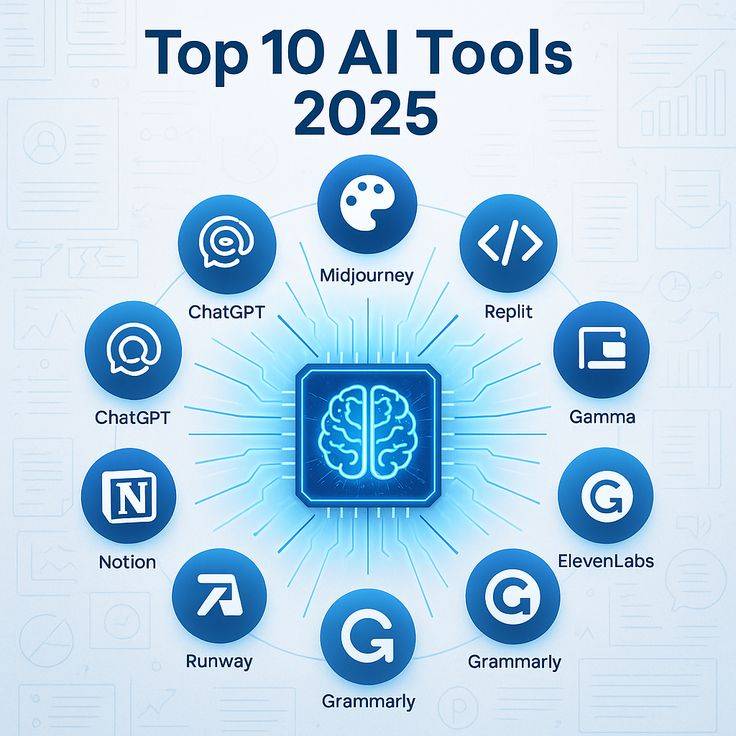
In today’s AI-driven world, mastering the right tools and technologies is what separates a beginner from a true AI professional. At Cambridge Infotech, you’ll get hands-on experience with the most in-demand AI tools used by top companies and research teams worldwide.
Here are some of the powerful tools and technologies you’ll learn to work with:
1. TensorFlow & Keras
These are the most popular frameworks for building machine learning and deep learning models. You’ll learn to create neural networks, train models, and deploy real-world AI solutions efficiently.
2. PyTorch
An open-source framework developed by Meta (Facebook), PyTorch is widely used for AI research and prototyping. It allows faster experimentation and easy debugging, making it a must-learn tool for any AI engineer.
3. Scikit-Learn
Perfect for beginners and professionals, Scikit-Learn helps you build machine learning algorithms such as classification, regression, and clustering using simple Python code.
4. OpenAI Tools
Get exposure to the latest Generative AI technologies, including ChatGPT, DALL·E, and OpenAI APIs. You’ll learn how to integrate AI-powered chatbots, text generation, and creative tools into real-world applications.
5. Cloud AI Platforms
You’ll explore how to train and deploy AI models using Google Cloud AI, AWS AI, and Microsoft Azure AI — the industry’s top cloud computing platforms. These tools are essential for scaling AI projects in real-time environments.
6. Jupyter Notebook & Google Colab
These interactive coding environments are used by AI experts for data exploration, visualization, and experimentation. You’ll learn to write, run, and document Python code efficiently.
7. Pandas, NumPy & Matplotlib
These are the backbone tools for data preprocessing and analysis. You’ll use them to clean, visualize, and interpret data before feeding it into machine learning models.
8. Hugging Face Transformers
Learn how to use pre-trained AI models for NLP tasks like text generation, sentiment analysis, and language translation — saving time while achieving powerful results.
9. IBM Watson & Google AI Tools
Explore enterprise-grade AI platforms used in industries for speech recognition, computer vision, and predictive analytics.
10. MLOps & AI Deployment Tools
Understand how to deploy, monitor, and manage AI models in production using tools like Docker, Kubernetes, and MLflow — ensuring real-world scalability and reliability.
Real-World Projects You’ll Work On
At Cambridge Infotech, we believe that true learning comes from hands-on experience. Our AI training program is designed to help you apply theoretical concepts to real-world challenges through industry-level projects. Each project is carefully curated to enhance your problem-solving, data handling, and model-building skills, preparing you for real AI job roles.
Here are some of the exciting projects you’ll work on during the course:
1. Image Recognition System using Deep Learning
Build an AI model that can analyze and identify images using Convolutional Neural Networks (CNNs). You’ll learn how to train your model on real datasets and implement it in real-time applications like face detection or object classification.
2. Chatbot using Natural Language Processing (NLP)
Create your own intelligent chatbot that can understand and respond to human queries. This project helps you master text processing, sentiment analysis, and conversational AI — essential skills for AI engineers.
3. Predictive Analytics for Business Forecasting
Work on real datasets to build a predictive model that forecasts business sales, customer behavior, or market trends using machine learning algorithms like regression and decision trees.
4. Recommendation System like Netflix or Amazon
Develop a smart recommendation engine that suggests products, movies, or courses based on user preferences. This project strengthens your skills in data analysis, clustering, and collaborative filtering.
5. Object Detection using Computer Vision
Learn how AI powers technologies like autonomous driving and surveillance by building a system that detects and tracks multiple objects in live video streams.
6. Generative AI Project (Bonus)
Explore the power of Generative AI tools like OpenAI, ChatGPT, or DALL·E by building an AI that can generate text, images, or code — preparing you for the next wave of AI innovation.
Career Opportunities After Learning AI
Artificial Intelligence (AI) is no longer limited to tech giants — today, every industry, from healthcare to finance, retail, and manufacturing, is integrating AI solutions. As a result, the demand for AI professionals has skyrocketed, creating thousands of high-paying career paths for skilled candidates.
Here are some of the top career opportunities after learning AI that can shape your future:
1. AI Engineer
AI Engineers design and develop intelligent systems that can perform human-like tasks such as speech recognition, visual perception, and decision-making.
They work with algorithms, machine learning models, and neural networks to create automated solutions.
Average Salary (India): ₹8–15 LPA
2. Machine Learning Engineer
ML Engineers specialize in building models that allow computers to learn and improve without being explicitly programmed.
They play a vital role in data-driven organizations, using Python, TensorFlow, and Scikit-learn.
Average Salary (India): ₹6–14 LPA
3. Data Scientist
Data Scientists collect, clean, and analyze large datasets to uncover insights that drive business growth.
With AI integration, their work now includes predictive modeling, pattern recognition, and automation.
Average Salary (India): ₹10–18 LPA
4. NLP (Natural Language Processing) Specialist
NLP Specialists develop systems that understand and interpret human language, such as chatbots, voice assistants, and translation tools.
This skill is highly in demand as companies increasingly rely on conversational AI.
Average Salary (India): ₹8–16 LPA
5. Computer Vision Engineer
These professionals build AI systems that interpret visual information — from facial recognition to object detection and autonomous driving.
Average Salary (India): ₹9–17 LPA
6. Robotics Engineer
Robotics Engineers use AI and ML to design smart machines capable of performing complex tasks autonomously — essential in manufacturing, healthcare, and logistics sectors.
Average Salary (India): ₹6–15 LPA
7. AI Research Scientist
AI Researchers explore new algorithms and deep learning architectures to push the boundaries of artificial intelligence.
They often work in R&D departments, academic institutions, or tech labs.
Average Salary (India): ₹12–25 LPA
8. Business Intelligence (BI) Developer
BI Developers use AI tools to analyze data and generate reports that support strategic decision-making.
Their insights help businesses increase revenue, reduce risks, and optimize operations.
Average Salary (India): ₹7–14 LPA
9. AI Product Manager
AI Product Managers oversee the development of AI-based products, coordinating between technical and business teams.
This role is perfect for professionals with both technical knowledge and leadership skills.
Average Salary (India): ₹12–20 LPA
10. MLOps Engineer
A new-age career in AI, MLOps Engineers manage and deploy machine learning models in production.
They combine skills in DevOps, cloud, and AI — making them highly valuable in modern tech environments.
Average Salary (India): ₹10–18 LPA
Salary Insights & Career Growth
Salary Overview
Pursuing a career in Artificial Intelligence opens up a wide spectrum of salary possibilities — and the key driver is skills + experience. In India today:
Entry level professionals (0-2 years) working in AI may start with salaries in the range of ₹6 LPA to ₹12 LPA.
Mid-level roles (3-6 years) with skills in machine learning, deep learning, NLP, or model deployment are often earning ₹15 LPA to ₹25 LPA+.
Senior professionals, AI team leads, architects or specialists (7+ years) may command salaries of ₹30 LPA to ₹40 LPA+ — and in select product-tech companies or niche domains, even higher.
Factors Influencing Growth
Your salary and growth in AI will depend on several important factors:
Specialised skills: Having expertise in in-demand areas like generative AI, MLOps, computer vision, NLP or cloud AI tools boosts your value.
Projects & impact: Being able to demonstrate production-ready AI systems, not just prototypes, sets you apart.
Location & company type: Large product-tech companies and global centres (especially in cities like Bengaluru) tend to pay more.
Leadership & domain depth: As you move into architecture, strategy, team-lead roles your compensation rises more steeply.
Continuous learning & upskilling: The AI field evolves fast — staying current gives you better chances of higher roles and pay.
Career Growth Trajectory
Here’s a typical career progression path in AI and what you can aim for:
Fresher / Junior AI Engineer: Focus on core skills (Python, data pipelines, basic ML models).
AI Engineer / ML Specialist: Own modules, work on model end-to-end, collaborate cross-functionally.
Senior AI Engineer / Team Lead: Lead projects, mentor juniors, design solutions, optimise performance.
AI Architect / Specialist / Manager: Shape AI strategy, handle major initiatives, interface with business & leadership.
Domain Expert / Head of AI / Consultant: Influence enterprise-wide AI adoption, global strategy, drive innovation.
Why Learn AI from Cambridge Infotech?
Transform Your Future with Cambridge Infotech
Choosing the right institute is just as important as choosing the right career path — and that’s where Cambridge Infotech stands out. As one of Bangalore’s most trusted IT training institutes, we don’t just teach you the tools — we train you to think, create, and lead with AI.
1. Industry-Recognized Curriculum
Our AI course curriculum is designed by industry experts and updated every quarter to match real-world trends. You’ll learn the latest AI technologies, from Machine Learning and Deep Learning to Generative AI, NLP, and Computer Vision — ensuring your skills stay relevant in 2026 and beyond.
2. Learn from Certified AI Professionals
At Cambridge Infotech, every trainer is an AI-certified expert with years of hands-on experience. You’ll gain insider insights, project mentorship, and professional guidance that go far beyond standard classroom teaching.
3. 100% Practical, Hands-On Training
We believe the best way to learn AI is by doing. You’ll work on live projects, case studies, and datasets that replicate real business challenges — preparing you for immediate job readiness.
4. 100% Placement Assistance & Career Mentorship
Our dedicated placement team ensures you’re not just skilled but also employable. With interview preparation, resume building, and mock sessions, we connect you with top recruiters hiring AI professionals in Bangalore and across India.
(Over 95% of our students land jobs in leading MNCs and startups.)
5. Work on Real-World AI Projects
From building chatbots and image recognition models to predictive analytics and NLP systems — our students gain hands-on experience with projects that matter. These projects help you build a strong portfolio for LinkedIn and interviews.
6. Access to Latest AI Tools & Technologies
Get trained in the most popular AI frameworks and tools including:
TensorFlow, Keras, PyTorch, Scikit-learn, OpenAI APIs, Azure AI, and AWS SageMaker — all taught with practical implementation.
7. Personalized Mentorship & Learning Support
Small batch sizes ensure you get individual attention. Our mentors provide continuous feedback, helping you master complex AI concepts easily and effectively.
8. Recognized Certificate of Achievement
Upon completion, you’ll receive a Cambridge Infotech AI Certification, validating your expertise and boosting your credibility in the job market.
9. Future-Ready Learning Environment
Our blended learning model combines classroom + online sessions, giving you flexibility without compromising quality. Ideal for students, graduates, and working professionals.
10. Join a Community of Innovators
At Cambridge Infotech, you become part of a vibrant tech community where you can collaborate, share knowledge, and grow together with like-minded learners and AI experts.
Who Can Join This Course? (Eligibility Criteria)
The “Top Skills to Learn for an AI Career” course at Cambridge Infotech is designed for anyone eager to build a rewarding career in Artificial Intelligence — whether you’re a student, graduate, or working professional. No prior coding or technical experience is required; our course starts from the fundamentals and gradually moves toward advanced AI concepts.
This Course Is Perfect For:
Students & Fresh Graduates – From science, engineering, or computer backgrounds who want to start their career in AI, Data Science, or Machine Learning.
Working Professionals – Software developers, IT engineers, analysts, or tech enthusiasts looking to upskill and transition into AI roles.
Career Switchers – Individuals from non-technical fields who want to explore the fast-growing world of Artificial Intelligence.
Entrepreneurs & Innovators – Those who wish to integrate AI into their business ideas or automate their workflows using AI tools.
Freelancers & Digital Marketers – Who want to learn how to use AI for automation, data analysis, and intelligent content creation.
Basic Eligibility Requirements:
Minimum qualification: 12th pass (PUC) or any graduation degree.
Basic understanding of mathematics and logical thinking.
Eagerness to learn and apply AI skills through real-time projects.
At Cambridge Infotech, we provide complete hands-on training, mentorship, and placement assistance, making it easy for anyone — regardless of their background — to start an AI career confidently.