IT Careers in 2026: Best Job-Oriented Skills, Salaries & Career Roadmap
Cambridgeinfotech
Introduction
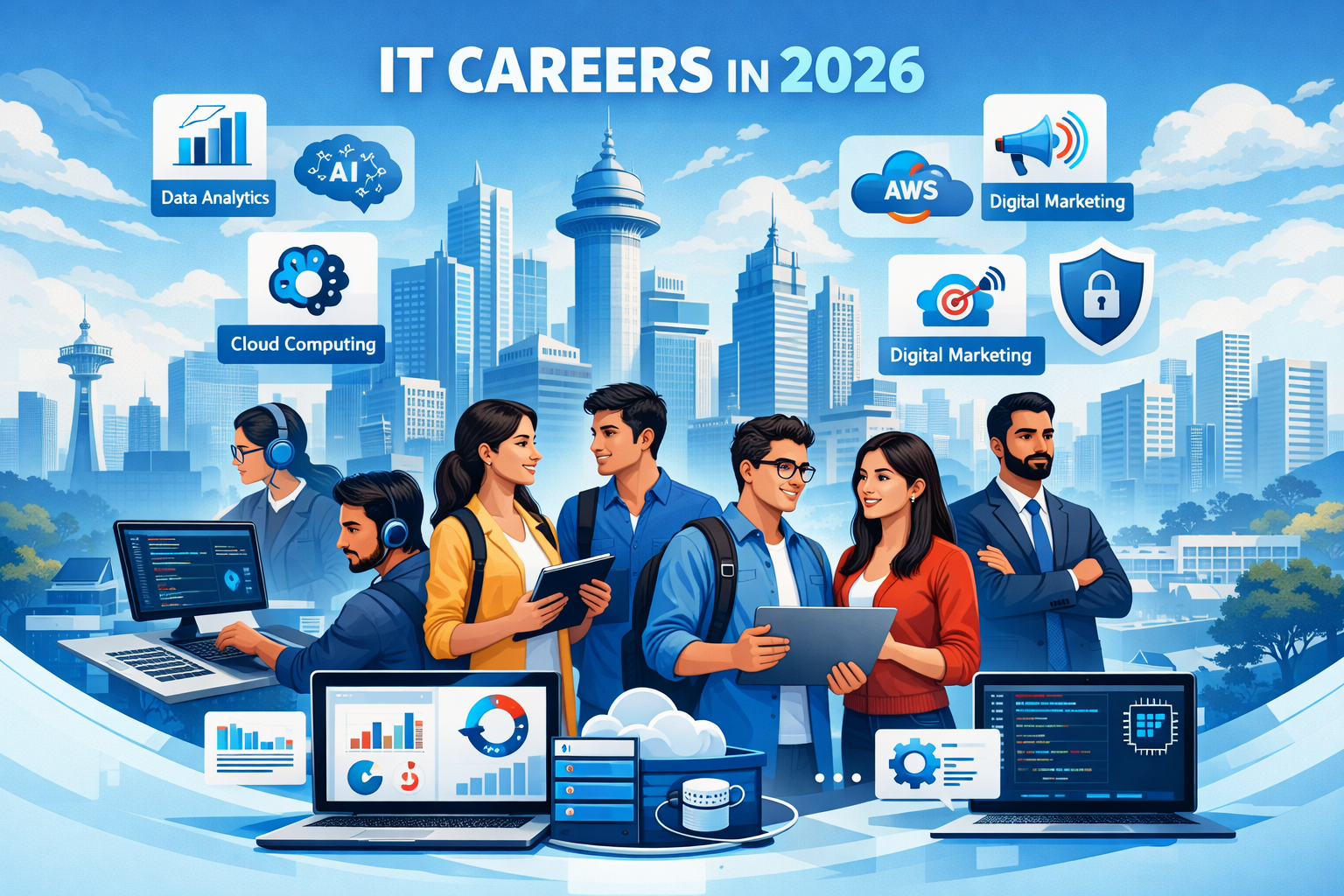
The IT Careers in 2026 looks nothing like it did even five years ago. Earlier, a computer science degree or a basic programming certification was often enough to land an entry-level job. Today, companies are no longer hiring based on qualifications alone. They are hiring based on skills, problem-solving ability, and real-world exposure.
This shift has created both opportunity and confusion for students, graduates, and working professionals across India.
The End of Degree-Only Hiring
Large enterprises, startups, and global tech firms have openly stated that:
Degrees are no longer proof of job readiness
Skills + projects matter more than marks
Hiring cycles are becoming faster and skill-specific
According to industry insights from LinkedIn Workforce Reports and NASSCOM FutureSkills, over 65% of tech roles in India now prioritize practical skills over academic credentials.
NASSCOM FutureSkills Prime
LinkedIn Jobs on the Rise Report
Why Is a Turning Point for IT Careers in 2026
Several forces are reshaping IT careers simultaneously:
1. Artificial Intelligence & Automation
AI tools are automating repetitive tasks in:
Software testing
Reporting
Content generation
Basic coding
This doesn’t eliminate jobs — it changes job roles.
2. Cloud-First Infrastructure
Almost every company is migrating to cloud platforms like:
AWS
Azure
Google Cloud
This has created massive demand for cloud engineers, DevOps professionals, and security experts.
3. Data-Driven Decision Making
Every industry — retail, healthcare, fintech, edtech — relies on data analytics to:
Understand customers
Reduce costs
Improve decision-making
This has made data analytics one of the fastest-growing IT careers in 2026.
→ Data Analytics Career Path in 2026 → Cloud Computing Career Opportunities in India
India’s Role in the Global IT Job Market
India is no longer just an outsourcing destination. It is now:
A global product development hub
A remote talent supplier
A startup innovation center
Cities like Bangalore, Chennai, Hyderabad, Pune, and Gurgaon dominate IT hiring due to:
Startup ecosystems
Global MNC offices
Skilled workforce availability
Remote work has further removed geographical barriers, allowing skilled professionals to work for US, UK, and EU companies from India.
→ Remote IT Jobs – Skills That Pay Globally → Top Companies Hiring for IT Skills in 2026
The Biggest Mistake Students Make Today
The most common mistake students make is:
“I’ll choose a course first and think about a career later.”
Cybersecurity is one of the most future-proof IT careers.
Why Cybersecurity Demand Is Rising
Data breaches
Ransomware attacks
Cloud security risks
Compliance requirements
Every company needs security professionals.
EC-Council
ISC² Cybersecurity Workforce Study
Core Skills
Networking fundamentals
Security tools
Threat analysis
Ethical hacking basics
Job Roles
SOC Analyst
Cybersecurity Analyst
Security Engineer
→ Cybersecurity Career Path for Freshers → IT Careers That Will Not Be Replaced by AI
Coding vs Non-Coding IT Careers in 2026
One of the biggest myths in India is:
“You must know coding to succeed in IT.”
In 2026, this is completely false.
The IT industry now offers multiple high-paying, long-term careers that require zero or minimal coding. Understanding the difference between coding and non-coding IT careers is critical before choosing any course.
course.
What Are Coding IT Careers?
Coding careers involve writing, maintaining, and optimizing code to build software, applications, or systems.
Common Coding Careers
Full Stack Developer
Backend Developer
Python Developer
AI / Machine Learning Engineer
DevOps Engineer (advanced)
Skills Required
Strong logic & problem-solving
Programming languages
Algorithms & data structures
Debugging & optimization
Continuous upskilling
Learning Timeline
Beginner to job-ready: 6–12 months
Career mastery: 2–5 years
→ Full Stack Developer Roadmap (Beginner to Job-Ready) → AI & Machine Learning Career Scope in 2026
Stack Overflow Developer Survey
GitHub Octoverse Report
Pros & Cons of Coding Careers
Advantages
✔ High salary ceiling ✔ Global opportunities ✔ Core product roles ✔ Strong long-term growth
Challenges
✖ Steep learning curve ✖ High competition ✖ Requires daily practice ✖ Burnout risk if uninterested
Coding is powerful — but only if you enjoy it.
What Are Non-Coding IT Careers?
Non-coding careers focus on analysis, strategy, optimization, testing, or security, rather than building software from scratch.
Common Non-Coding IT Careers
Data Analyst
Digital Marketer
Business Analyst
UI/UX Designer
Manual Tester
Cybersecurity Analyst (entry-level)
Learning Timeline
Beginner to job-ready: 3–6 months
Career growth: tool + domain-based
→ Top IT Skills for Non-Technical Background Students → Data Analytics Career Path in 2026
Non-Coding ≠ Low Salary (Reality)
Many non-coding roles pay equal or more than coding roles when combined with experience.
Salary Comparison (India – 2026)
Role
Avg Salary (₹ LPA)
Data Analyst
6–10
Digital Marketer
5–9
Full Stack Developer
7–12
Cloud Engineer
8–15
Cybersecurity Analyst
7–14
→ IT Salary Trends in Bangalore, Chennai & Hyderabad
✔ IT salaries depend on skills, not degrees ✔ High-paying roles require specialization ✔ Remote work boosts income potential ✔ Upskilling is mandatory every 2–3 years
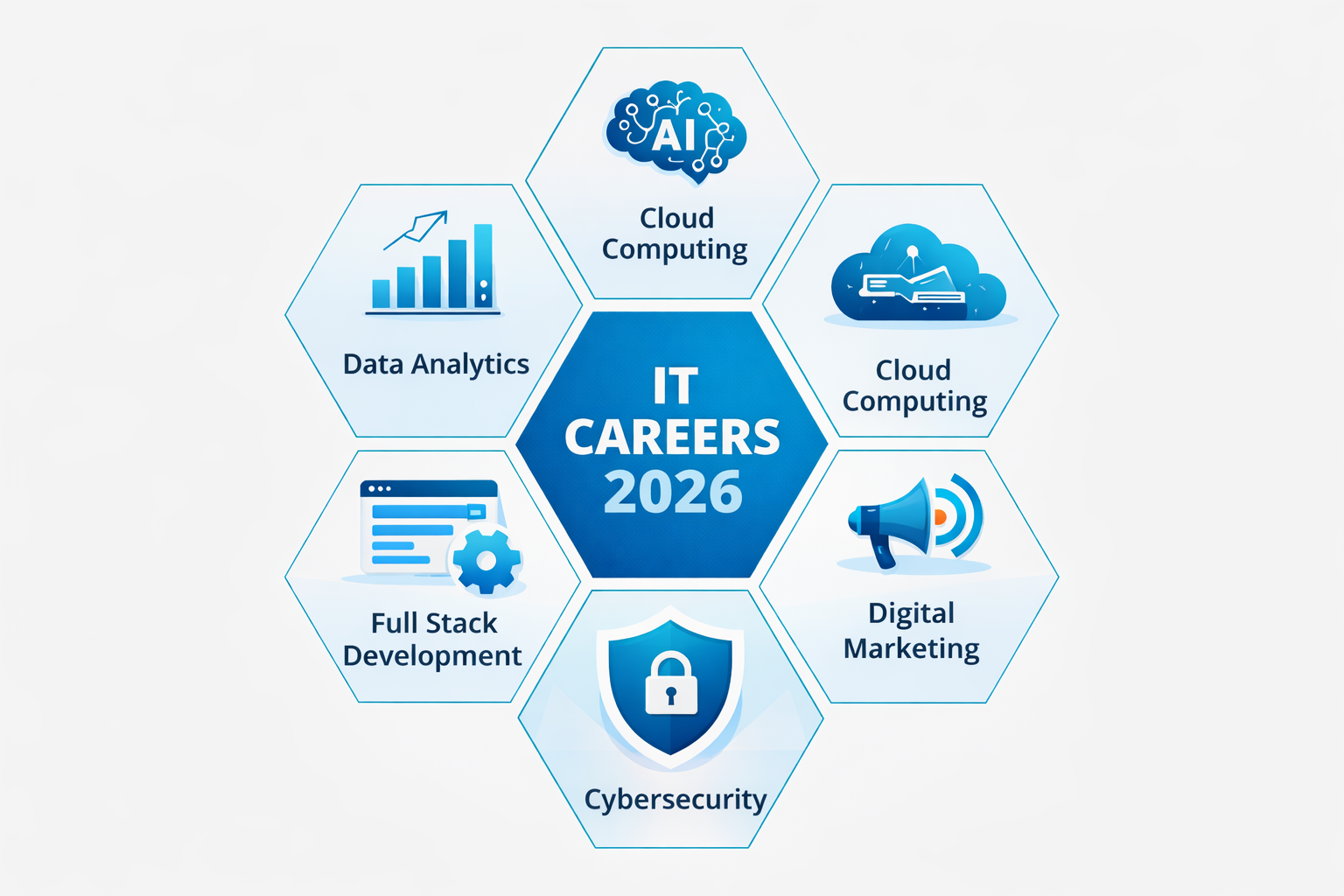
Some of the best IT careers in 2026 include Data Analytics, Cloud Computing, Cybersecurity, and Digital Marketing, as these roles offer a strong balance of demand, salary growth, and long-term career stability.
Q2. Can non-technical students enter IT in 2026?
Yes. Many IT careers in 2026 such as Data Analytics and Digital Marketing are ideal for non-technical backgrounds because they focus more on tools, analysis, and strategy rather than complex coding.
Q3. How long does it take to get an IT job in 2026?
Depending on the role you choose, IT careers in 2026 typically require 3–6 months of training for non-coding roles and around 6–12 months for coding-based roles when learning is practical and job-oriented.
Q4. Are IT jobs safe from AI in 2026?
Yes. Most future-ready IT careers in 2026, especially in strategic, analytical, cloud, and cybersecurity roles, are highly resistant to AI automation because they require human decision-making and problem-solving skills.
Conclusion
The IT Careers in 2026 does not reward guesswork. It rewards clarity, skill, and execution.
As you’ve seen throughout this guide, successful IT careers are no longer built on degrees alone. They are built on job-oriented IT Careers in 2026 skills, real-world projects, and the ability to adapt to fast-changing technologies like AI, cloud computing, and data analytics.
Whether you are:
A fresher confused about where to start
A non-technical graduate looking to enter IT
A working professional planning a career switch
There is a clear, achievable path for you — if you choose the right skill and the right guidance.
Don’t Choose a Course. Choose a IT Careers in 2026.
One of the biggest mistakes students make is enrolling in a course without understanding the career outcome. Before you invest your time and money, you should know:
Which IT role suits your background
How long it will take to become job-ready
What salary range to expect
What skills employers actually hire for
That clarity can save you months of confusion and years of regret.
Get Personalized IT Careers in 2026 Guidance (Free)
Every student’s situation is different. That’s why personalized career counseling matters.
At Cambridge Infotech, we help students:
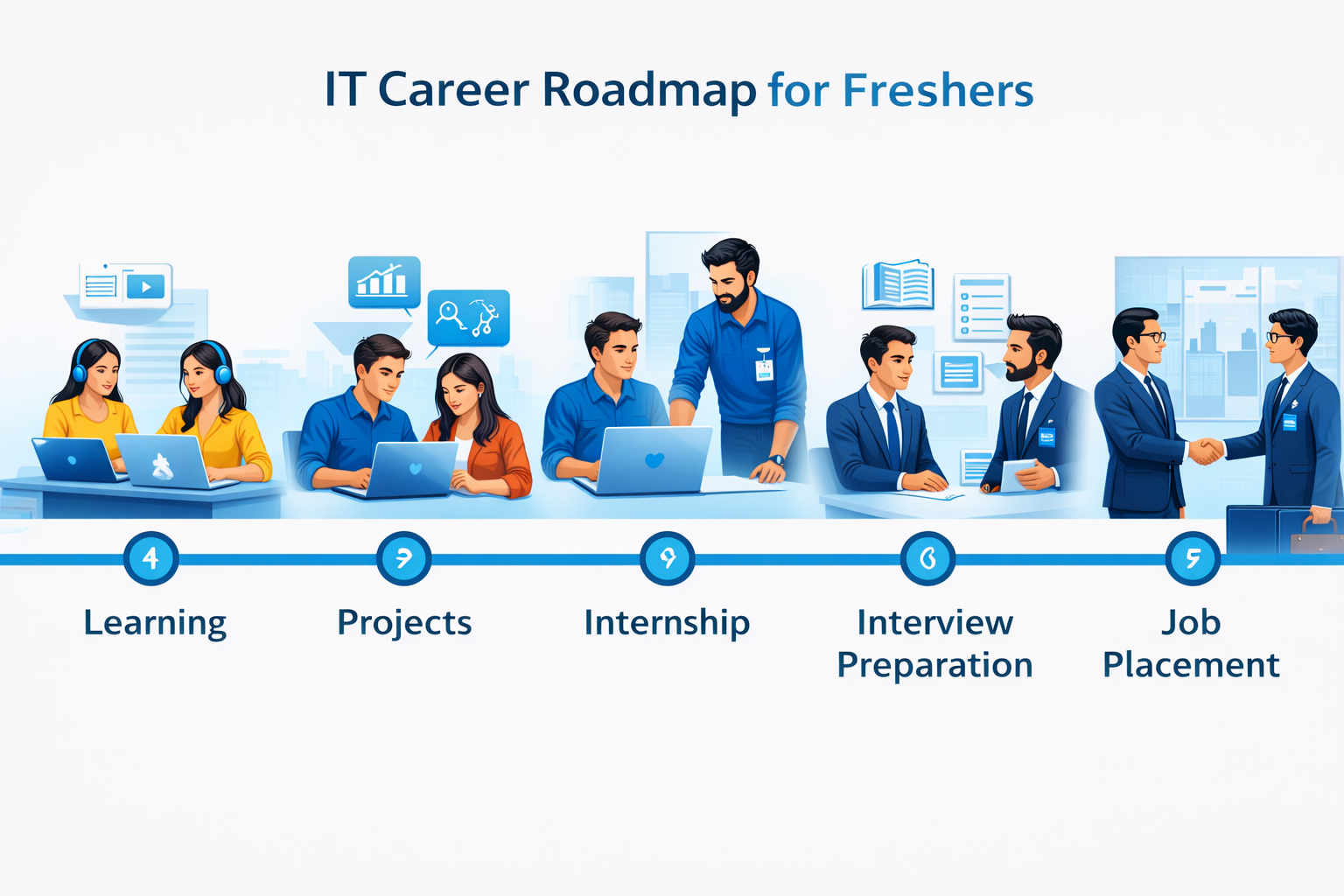
✔ Identify the right IT careers in 2026 path ✔ Choose job-oriented skills based on market demand ✔ Build real projects that impress recruiters ✔ Prepare for interviews and placements
Fill out the form below to get a FREE IT Careers in 2026 Counseling Session No pressure. No sales talk. Just honest guidance based on your goals.
Ready to Take the First Step?
The demand for skilled IT professionals is growing every year — but only skilled professionals get hired.
If you’re serious about building a stable, high-growth IT careers in 2026, don’t wait for the “perfect time.” The best time to start is now.
Submit your details below and let’s build your IT careers in 2026 the right way.